Dust Mite
Scientific Name: Dermatophagoides spp. (most commonly Dermatophagoides farinae or Dermatophagoides pteronyssinus)
Order & Family: Order: Sarcoptiformes, Family: Pyroglyphidae
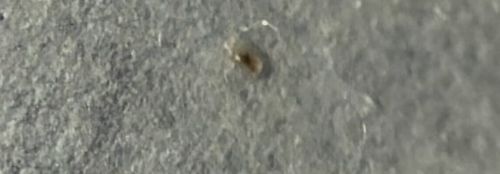
Size: Microscopic; typically 0.2 to 0.3 millimeters in length. They are usually invisible to the naked eye but can be seen as tiny white specks against dark backgrounds under strong light or magnification.
Natural Habitat
Found indoors worldwide, primarily in mattresses, bedding, upholstered furniture, carpets, and curtains where dust accumulates and humidity is moderate to high.
Diet & Feeding
Detritivores that feed primarily on flakes of shed human and animal skin (dander), as well as some fungal spores.
Behavior Patterns
They do not bite, sting, or burrow into bodies. They simply thrive in warm, humid environments, reproducing rapidly and creating waste pellets that accumulate in dust.
Risks & Benefits
Risks: Their feces and decaying body fragments are potent allergens, causing allergic rhinitis, asthma attacks, sneezing, and skin eczema in sensitive individuals. Benefits: They act as decomposers of skin flakes, although their presence inside homes is generally considered a pest issue due to health risks.
Identified on: 3/4/2026