Mold Mite (also known as Cheese Mite or Grain Mite)
Scientific Name: Tyrophagus putrescentiae
Order & Family: Order: Sarcoptiformes, Family: Acaridae
Size: Microscopic to barely visible; approximately 0.3 mm to 0.7 mm in length.
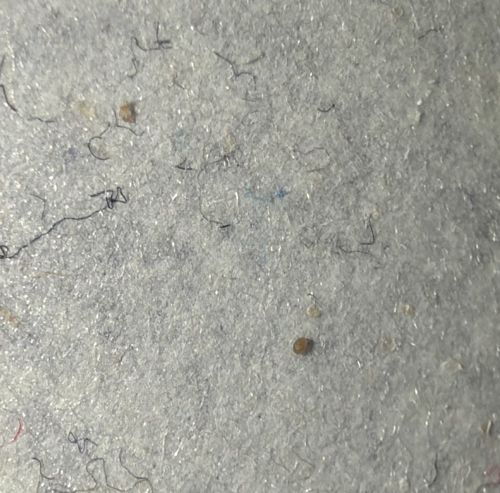
Natural Habitat
Thrive in warm, high-humidity environments rich in mold growth; commonly found in stored food products (grain, cheese, dried fruit), damp wallpaper, and humid bathrooms or kitchens.
Diet & Feeding
Primarily feed on fungi and mold, but also consume substances rich in protein and fat such as cheese, grain, flour, dried meat, and pet food.
Behavior Patterns
They do not bite but reproduce rapidly in humid conditions. They are photophobic (avoid light) and tend to congregate in high densities where moisture and food sources are available, often appearing as a moving 'dust' layer.
Risks & Benefits
Generally harmless to humans directly (they do not bite or suck blood), but they can cause allergic reactions (dermatitis or respiratory issues) in sensitive individuals. Their presence usually indicates an underlying moisture or mold problem. They spoil food products by imparting a distinctive 'minty' odor.
Identified on: 2/7/2026