Pinworm
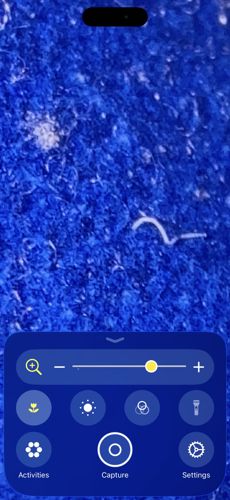
Scientific Name: Enterobius vermicularis
Order & Family: Order Rhabditida, Family Oxyuridae
Size: 2 to 13 millimeters in length (females are larger than males).
Natural Habitat
The human large intestine; eggs are often found on household surfaces, clothing, bedding, and in dust.
Diet & Feeding
Content of the human intestine, including partially digested food and intestinal bacteria.
Behavior Patterns
Adult females migrate out of the anus at night to deposit thousands of eggs on the perianal skin. This causes itching, leading to scratching and further spread of eggs via hands and surfaces.
Risks & Benefits
Risks include intense itching, irritability, and disrupted sleep. They are highly contagious but generally considered a nuisance rather than a serious health threat. There are no known ecosystem benefits.
Identified on: 12/30/2025