Springtail
Scientific Name: Collembola
Order & Family: Order: Collembola (often classified as a subclass of Hexapoda, separate from Insecta) / Various families such as Isotomidae or Entomobryidae
Size: Minute; typically between 0.25 mm to 6 mm in length (most commonly 1-2 mm).
Natural Habitat
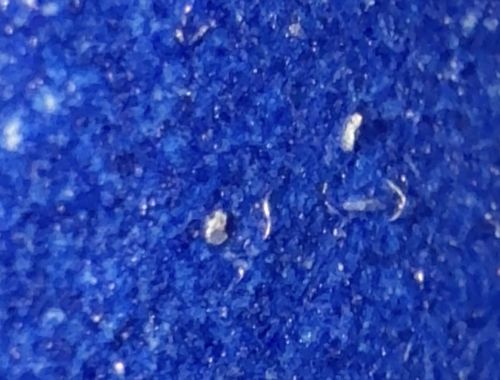
Moist environments rich in organic matter. Frequently found in damp soil, leaf litter, decaying wood, potted plants, basements, bathrooms, and often seen floating on the surface of swimming pools.
Diet & Feeding
Detritivores and fungivores; they primarily feed on decaying plant material, fungi, mold, algae, bacteria, and pollen.
Behavior Patterns
Notable for their unique jumping mechanism using a tail-like appendage called a furcula, which allows them to 'spring' away from danger. They do not have wings. They congregate in large numbers where moisture is consistent.
Risks & Benefits
Risks: Generally harmless to humans and pets; they do not bite, sting, or damage structures (though they can be a nuisance in pools or damp homes). Benefits: Vital to the ecosystem as decomposers, helping to cycle nutrients in the soil.
Identified on: 2/15/2026