Dust Mite
Scientific Name: Dermatophagoides pteronyssinus (or Dermatophagoides farinae)
Order & Family: Order: Sarcoptiformes, Family: Pyroglyphidae
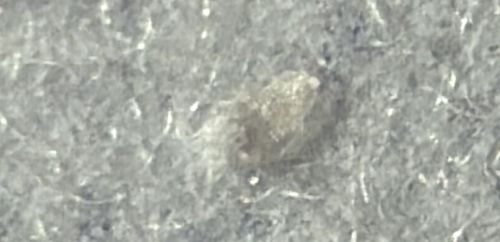
Size: Microscopic; typically 0.2 to 0.3 mm in length (barely visible or invisible to the naked eye).
Natural Habitat
Found primarily in human dwellings, thriving in soft furnishings like mattresses, pillows, carpets, and upholstered furniture where dead skin cells accumulate and humidity is moderate to high.
Diet & Feeding
Detritivores that feed mainly on dander (dead skin scales shed by humans and animals) as well as some organic matter like mold spores.
Behavior Patterns
They do not drink water but absorb moisture from the air. They are photophobic (avoid light) and tend to bury deep into fabrics. Their populations surge in humid conditions.
Risks & Benefits
Risks: They are a major source of allergens; their feces and decaying bodies contain proteins that can trigger asthma, eczema, and allergic rhinitis in sensitive individuals. Benefits: They play a role as micro-scavengers breaking down dead skin, though this benefit is negligible compared to the allergic risks.
Identified on: 2/23/2026