
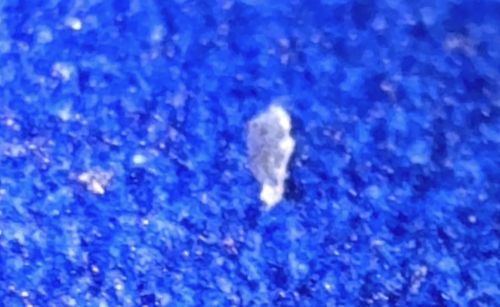
Plaster Bagworm (or Household Casebearer)
Phereoeca uterella
- Order & Family
- Order: Lepidoptera, Family: Tineidae
- Size
- The case is typically 8-13 mm long (approx. 0.3 to 0.5 inches).
Natural Habitat
Commonly found indoors on walls, in closets, garages, and underneath furniture. They thrive in humid environments like Florida and other tropical/subtropical regions.
Diet & Feeding
The larva feeds on spider webs, old silk, wool, human hair, pet fur, and dead insect parts. They generally do not eat cotton but are attracted to natural fibers.
Behavior Patterns
The larva constructs a distinctive flattened, pumpkin-seed or watermelon-seed shaped case made of silk, sand, and debris in which it lives and carries around. It drags the case along surfaces while feeding. When ready to pupate, it attaches the case to a wall or sheltered spot.
Risks & Benefits
Risks: Generally considered a nuisance pest rather than a danger. They do not bite or sting humans. However, in large numbers, they can damage woolen clothing or rugs. Benefits: They act as cleaners of sorts by consuming spider webs and dust bunnies, though most homeowners prefer to remove them.