
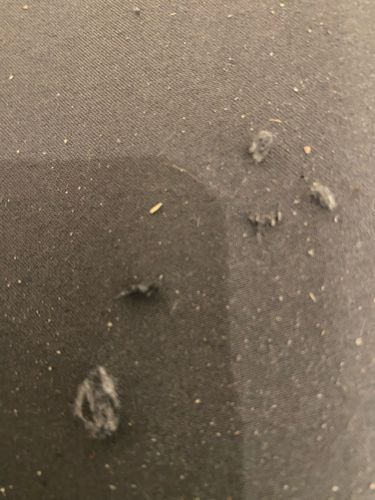
Masked Hunter (Nymph)
Reduvius personatus
- Order & Family
- Order: Hemiptera, Family: Reduviidae
- Size
- Nymphs are about 5mm to 15mm; adults reach 17mm to 22mm.
Natural Habitat
Typically found indoors in dry, dusty areas such as attics, basements, and under storage. They are also found outdoors in tree cavities and leaf litter.
Diet & Feeding
Strictly carnivorous predators that feed on other small insects and arthropods, including bed bugs, carpet beetles, lacewings, earwigs, and flies. They use a piercing-sucking proboscis to inject enzymes into prey.
Behavior Patterns
Nymphs are known for 'camouflaging' themselves by covering their bodies with sticky secretions that trap dust, lint, and sand (as seen in the image). They are nocturnal hunters that move slowly unless attacking prey.
Risks & Benefits
Benefits: They provide natural pest control by eating household pests like bed bugs. Risks: While not aggressive and they do not feed on human blood, they can deliver a very painful bite if handled or trapped against skin. The bite is comparable to a bee sting.