
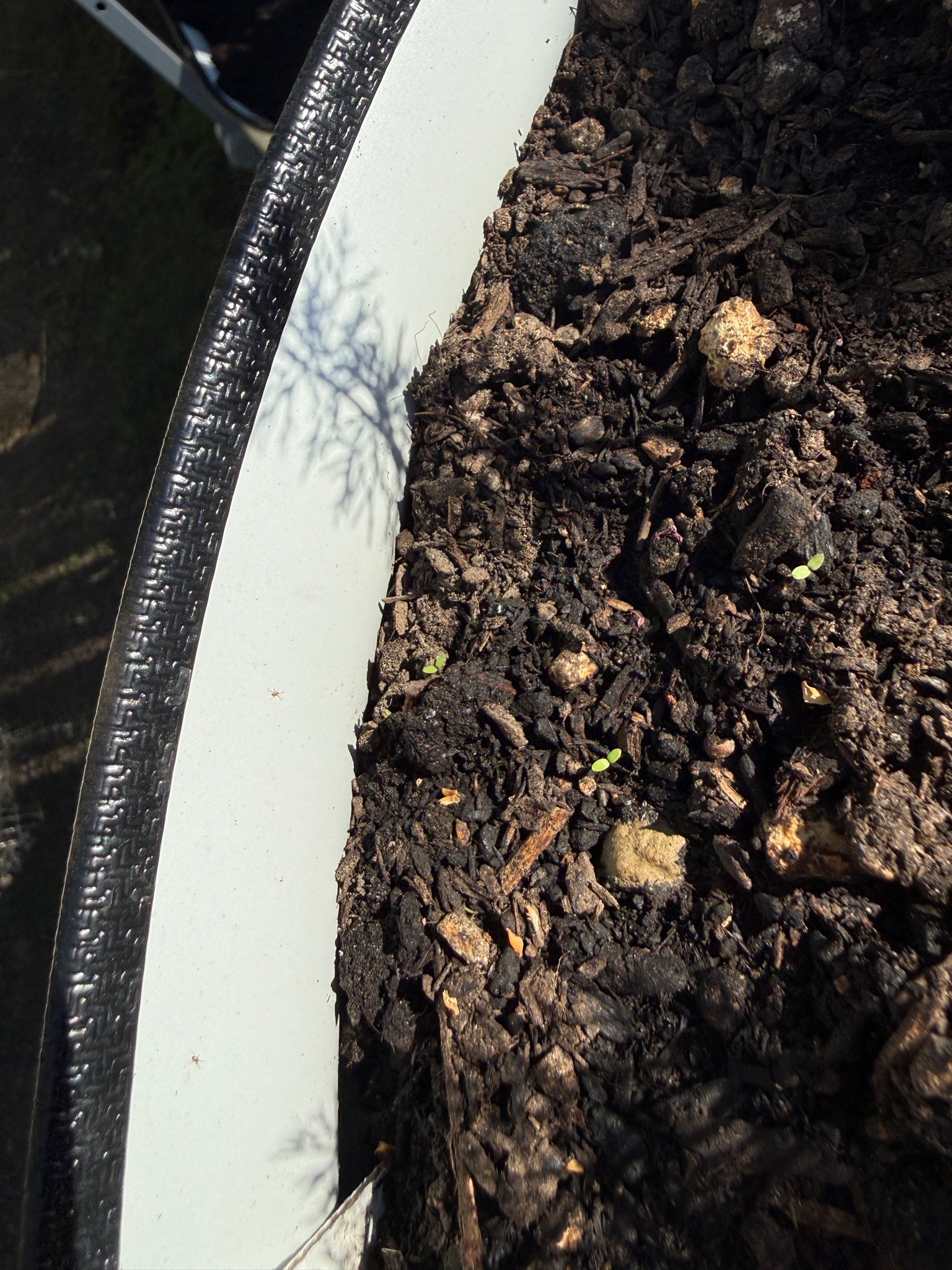
Community identification
Tetranychid Mite (Spider Mite)
Tetranychidae family
- Order & Family
- Order: Trombidiformes, Family: Tetranychidae
- Size
- Extremely small, generally less than 1 millimeter (about 1/50th of an inch) in length.
Natural Habitat
Commonly found on the undersides of leaves in gardens, greenhouses, and agricultural fields; they prefer hot, dry conditions.
Diet & Feeding
They feed by piercing plant cells with their mouthparts and sucking out the contents, often causing speckling or yellowing of leaves.
Behavior Patterns
They are known for spinning fine silk webs to protect themselves and their eggs. They reproduce rapidly in warm weather, completing a life cycle in as little as 5 to 7 days.
Risks & Benefits
They are significant agricultural and garden pests that can cause severe damage to a wide variety of plants; they offer no direct benefits to humans but serve as a food source for predatory mites and insects.