Barnacle
Scientific Name: Cirripedia (Infraclass)
Order & Family: Order Sessilia; Various families (e.g., Balanidae)
Size: Generally 0.5 cm to 5 cm in diameter depending on species and age.
Natural Habitat
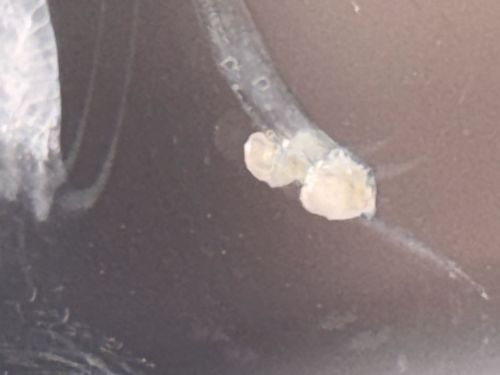
Coastal marine environments, attached to hard substrates like rocks, boat hulls, and glass in tidal zones.
Diet & Feeding
Plankton and detritus; they are filter feeders that use feathery appendages called cirri to sweep food from the water.
Behavior Patterns
Sessile (stationary) as adults; they attach themselves permanently to a surface with a powerful natural cement. They reproduce via internal fertilization and have a free-swimming larval stage.
Risks & Benefits
Benefits the ecosystem by filtering water and providing food for predators; considered a nuisance (biofouling) to humans as they increase drag on ships and can damage surfaces.
Identified on: 1/3/2026