
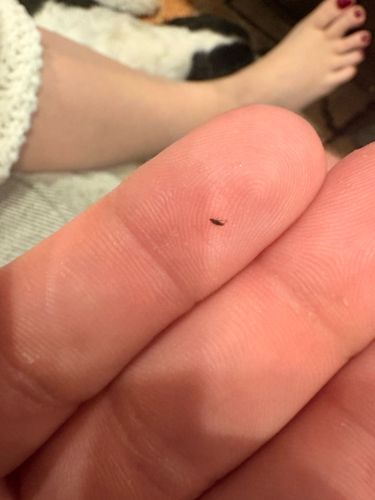
Community identification
Cat Flea
Ctenocephalides felis
- Order & Family
- Order Siphonaptera, Family Pulicidae
- Size
- 1.5 to 3.3 mm in length
Natural Habitat
Found globally on domestic hosts (cats, dogs), wild mammals, and within human households (carpets, bedding).
Diet & Feeding
Adults are hematophagous, feeding exclusively on the blood of mammals. Larvae feed on organic debris and 'flea dirt' (dried blood excreted by adults).
Behavior Patterns
Wingless parasites with powerful hind legs for jumping. They exhibit holometabolous metamorphosis (egg, larva, pupa, adult) and spend most of their adult life on a single host.
Risks & Benefits
Risks include causing flea allergy dermatitis, transmitting tapeworms (Dipylidium caninum), and potentially spreading bacterial pathogens like Rickettsia felis. They offer no notable benefits to ecosystems.