
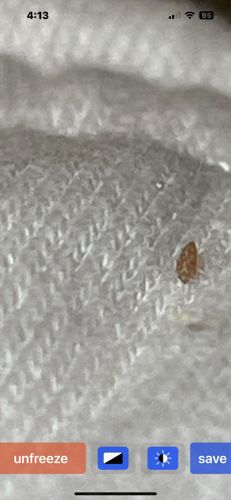
Bed Bug
Cimex lectularius
- Order & Family
- Hemiptera (true bugs), Cimicidae
- Size
- 4-5 mm (adults), nymphs are smaller
Natural Habitat
Primarily human dwellings, especially bedrooms; hiding in cracks and crevices of mattresses, bed frames, furniture, walls, and flooring. They prefer dark, secluded areas near a host.
Diet & Feeding
Strictly hematophagous (blood-feeding) on humans, and occasionally other warm-blooded animals. They feed mainly at night when the host is sleeping.
Behavior Patterns
Nocturnal; they hide during the day and emerge to feed at night. They are wingless and cannot fly, but can crawl quickly. They aggregate in harborages, leaving fecal spots and shed skins. Females lay eggs (1-5 per day) in secluded areas. They go through five nymphal instars before reaching adulthood, requiring a blood meal at each stage.
Risks & Benefits
Potential risks include itchy red welts from bites, allergic reactions, secondary skin infections from scratching, and psychological distress. They are not known to transmit diseases to humans. There are no known benefits to humans or the ecosystem, as they are considered a pest.