
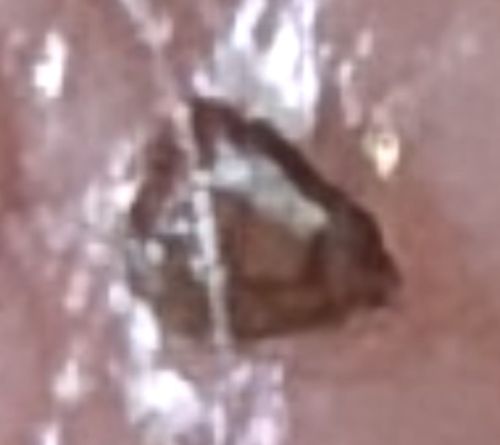
Hard Tick (most likely a Dog Tick or Wood Tick)
Dermacentor or Ixodes species (e.g., Dermacentor variabilis)
- Order & Family
- Order: Ixodida, Family: Ixodidae
- Size
- Unfed adults are roughly 3-5mm long (about the size of a sesame seed). Engorged females can swell to more than 10-15mm (size of a grape or larger).
Natural Habitat
Tall grasses, wooded areas, shrubs, leaf litter, and areas with dense vegetation. They are often found in both rural and suburban environments where hosts (mammals like deer, dogs, humans) are present.
Diet & Feeding
Hematophagous (feed exclusively on blood). They require blood meals from vertebrate hosts (mammals, birds, reptiles, and amphibians) to survive and progress through their life stages (larva, nymph, adult).
Behavior Patterns
Ticks 'quest' for hosts by climbing to the tips of grass or shrubs and extending their front legs to latch onto a passing animal. Once attached, they find a suitable spot on the skin, insert their mouthparts, and feed for several days until fully engaged before dropping off. They have a multi-host life cycle.
Risks & Benefits
Risks: Major vectors for disease. They can transmit Lyme disease (especially Deer Ticks), Rocky Mountain spotted fever, tularemia, and ehrlichiosis. Their bite can also cause allergic reactions or localized infection. Benefits: As prey, they serve as a food source for some birds (like guinea fowl) and reptiles, play a role in ecosystem population control, and act as indicators of ecosystem health.