
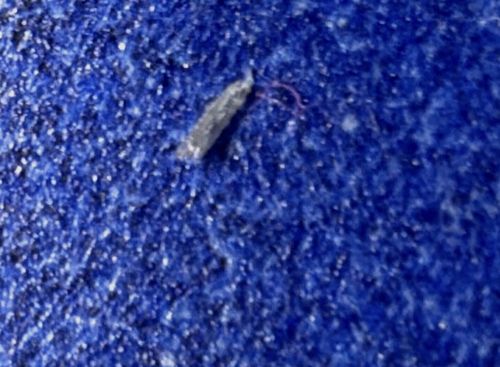
Household Casebearer or Plaster Bagworm
Phereoeca uterella (or sometimes Phereoeca allutella)
- Order & Family
- Order: Lepidoptera, Family: Tineidae
- Size
- Larval case is typically about 8-13 mm (0.3-0.5 inches) long
Natural Habitat
Typically found indoors in humid homes, garages, and underneath furniture. They thrive in tropical and subtropical climates, particularly in areas like Florida.
Diet & Feeding
Detritivores; they feed on spider webs (often old cobwebs), wool, hair, lint, dried insect remains, and other natural fibers.
Behavior Patterns
The larva constructs a protective, flattened case out of silk and debris (sand, dust, lint) which it drags along with it. It has openings at both ends, allowing it to turn around inside the case to feed from either end. When ready to pupate, it attaches the case to a vertical surface like a wall.
Risks & Benefits
Risks: Generally harmless to humans and pets (they don't bite or sting), but they can be a nuisance pest and may damage woolen fabrics or accumulate in corners. Benefits: They can act as minor cleaners by eating cobwebs and dead insects.