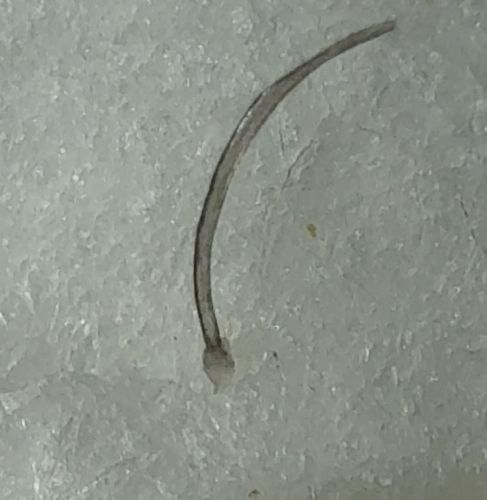
Pot Worm (or White Worm)
Scientific Name: Enchytraeus spp.
Order & Family: Order: Haplotaxida (or Enchytraeida), Family: Enchytraeidae
Size: Typically 5 to 10 mm in length, sometimes larger, but very thin.
Natural Habitat
Moist, organic-rich environments such as soil, compost piles, worm bins, and sometimes excessively wet potting soil in houseplants. They thrive in acidic conditions.
Diet & Feeding
They feed on decaying organic matter, bacteria, fungi, and sometimes dead plant tissue. They are decomposers.
Behavior Patterns
Often found wriggling in clusters in damp soil or compost. They are photophobic (avoid light) and will retreat into soil when exposed to bright light. They reproduce hermaphroditically.
Risks & Benefits
Benefits: They are beneficial decomposers that help aerate soil and break down organic matter into nutrients. Risks: Generally harmless to humans and pets. In high numbers in houseplants, they may indicate overwatering or souring soil, but rarely damage healthy plant roots.
Identified on: 2/12/2026