
Community identification
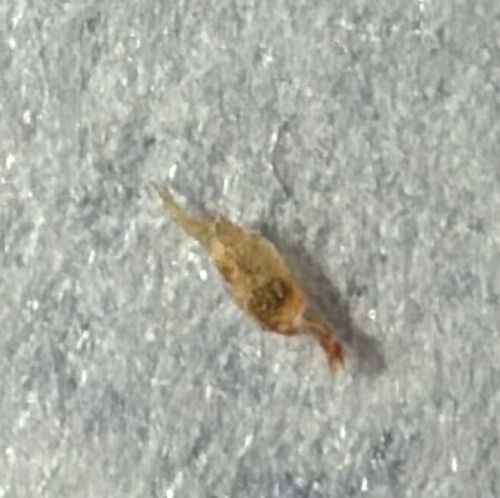
Body Louse (Nit or Nymph stage)
Pediculus humanus humanus
- Order & Family
- Order: Psocodea (formerly Phthiraptera), Family: Pediculidae
- Size
- 2.3 – 3.6 mm (adults), nymphs are smaller (1-2 mm)
Natural Habitat
Exclusively lives in human clothing and bedding, moving to the skin only to feed. Unlike head lice, they lay their eggs (nits) in the seams of clothing.
Diet & Feeding
Hematophagous (feeds exclusively on human blood)
Behavior Patterns
They are obligate parasites that cling to fibers in clothing. They crawl; they cannot jump or fly. Infestations are typically spread through close physical contact or direct contact with infested clothing or bedding.
Risks & Benefits
Risks: Significant health risk. Their bites cause severe itching (pruritus) which can lead to secondary skin infections. More importantly, they are vectors for diseases such as epidemic typhus, trench fever, and louse-borne relapsing fever. Benefit: None to humans or standard ecosystems.