
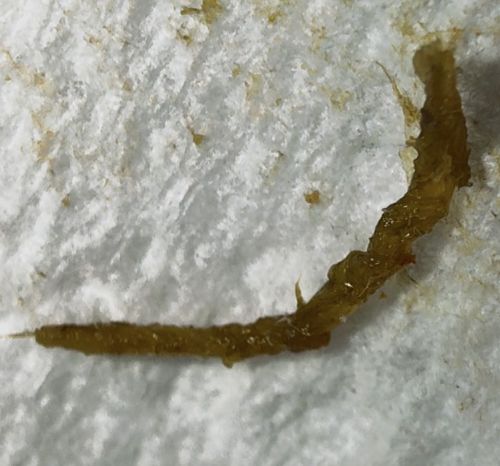
Crane Fly Larva (Leatherjacket)
Tipula spp. (and related genera in Tipulidae)
- Order & Family
- Order: Diptera, Family: Tipulidae
- Size
- Larvae can grow up to 3-4 cm (1.2-1.5 inches) long, depending on the species and instar stage.
Natural Habitat
Typically found in moist soil, muddy banks of streams, decaying vegetation, or under layers of damp leaves. They are commonly associated with turfgrass and lawn soil.
Diet & Feeding
Mostly feeds on decaying organic matter, plant roots (including grass roots), and sometimes small insects or algae.
Behavior Patterns
The larvae (often called 'leatherjackets' due to their tough skin) live underground or in submerged/semi-submerged environments. They are the juvenile stage of the adult Crane Fly (often mistaken for giant mosquitoes). They are most active in spring and fall.
Risks & Benefits
Generally harmless to humans (they do not bite or sting). As pests, high populations can damage turfgrass and lawns by eating the roots, causing yellow patches. Ecologically, they are important decomposers and serve as a food source for birds, fish, and small mammals.