
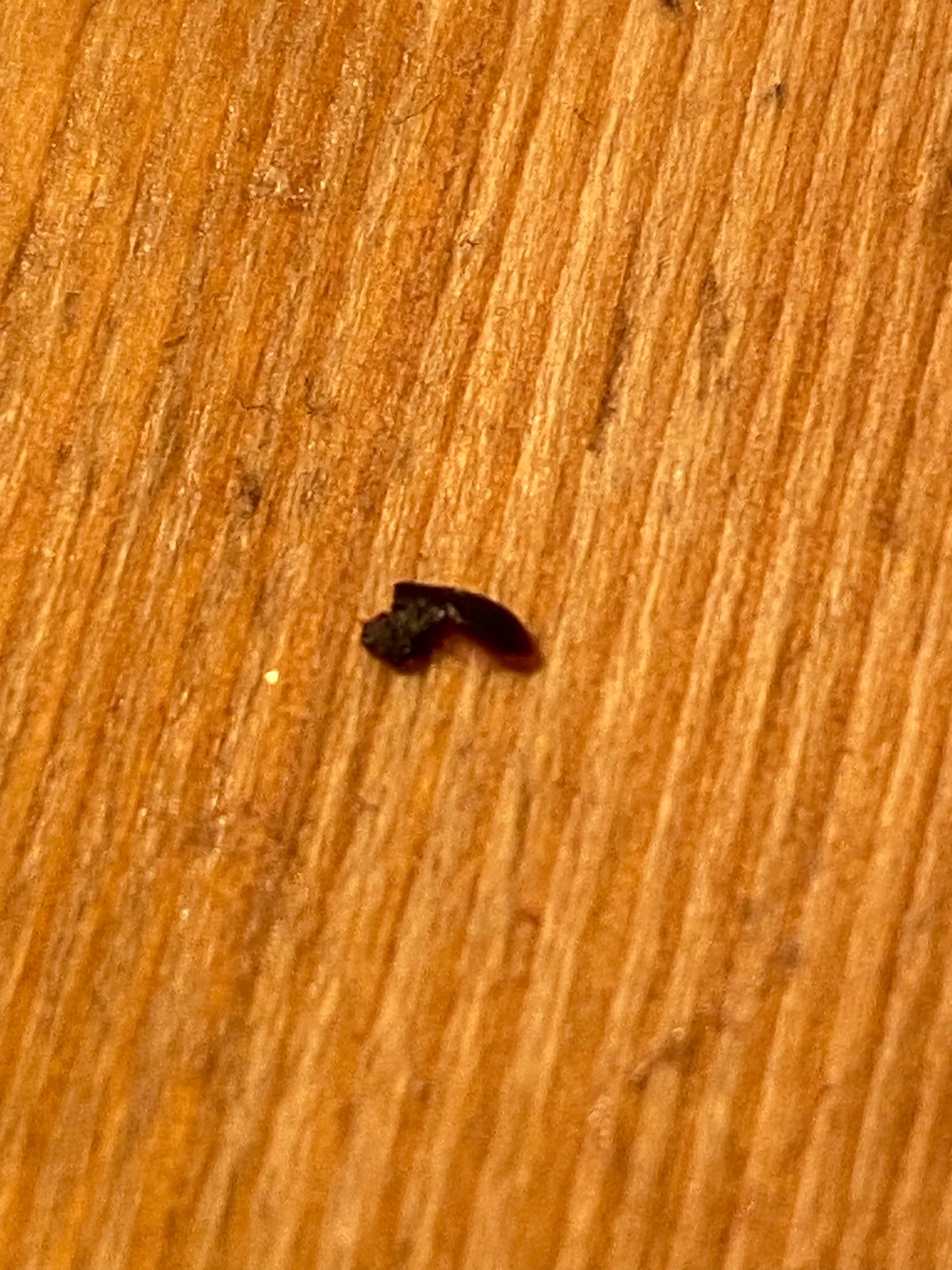
Dog Flea (Adult)
Ctenocephalides canis
- Order & Family
- Siphonaptera: Pulicidae
- Size
- 1mm to 4mm in length
Natural Habitat
Found globally; typically lives on the bodies of domestic dogs, cats, or wild canids. Can also reside in carpets, bedding, and floor cracks when not feeding.
Diet & Feeding
Obligate hematophagous (blood-eaters); adults feed on the blood of mammals, primarily dogs and cats, but will bite humans if a primary host is unavailable.
Behavior Patterns
Flightless but capable of jumping long distances. They undergo complete metamorphosis (egg, larva, pupa, adult). Adults spend most of their time on the host, while eggs often fall off into the host's environment.
Risks & Benefits
Risks include severe itching, allergic dermatitis, and secondary skin infections. They can transmit tapeworms (Dipylidium caninum) and certain bacterial pathogens. There are no ecological benefits to humans.