
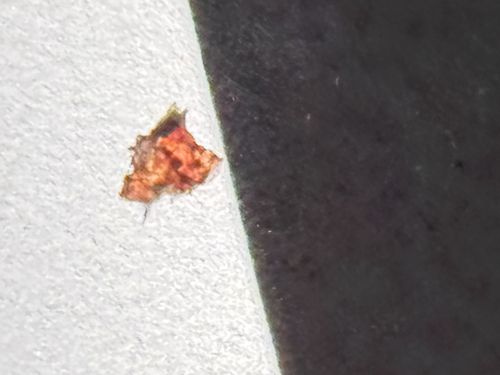
Community identification
Lace Bug
Stephanitis pyrioides
- Order & Family
- Hemiptera: Tingidae
- Size
- 2mm to 4mm in length
Natural Habitat
Typically found on the underside of deciduous leaves, particularly azaleas, rhododendrons, and various hardwood trees in temperate climates.
Diet & Feeding
Herbivorous. They use piercing-sucking mouthparts to feed on the sap of plant leaves, specifically targeting the leaf mesophyll.
Behavior Patterns
They exhibit hemimetabolous development. Lace bugs are known for leaving dark, varnish-like fecal spots on the undersides of leaves and causing "stippling" (pale spots) on the top surface of the foliage.
Risks & Benefits
Primarily an aesthetic pest in gardens and landscapes. Heavy infestations can cause leaf drop and reduce plant vigor. They do not pose a direct physical risk to humans, though they are considered agricultural pests.