
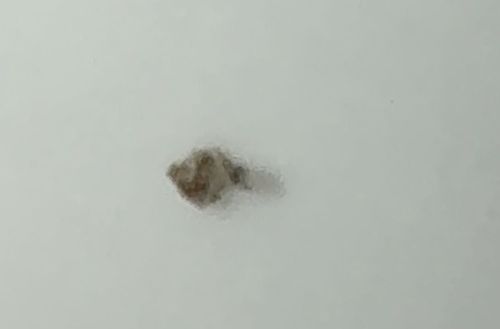
Case-bearing Clothes Moth Larva
Tinea pellionella
- Order & Family
- Order: Lepidoptera, Family: Tineidae
- Size
- Larvae are roughly 6-10 mm long; the case they carry is proportionate to their size.
Natural Habitat
Typically found indoors in dark, quiet areas like closets, drawers, basements, or under furniture. They attach to walls or ceilings, often rising towards higher points in a room before pupating.
Diet & Feeding
Feeds on keratin-rich animal fibers such as wool, fur, silk, feathers, felt, and leather. Can also consume lint, hair, and dust found in carpets and vents.
Behavior Patterns
The larva constructs a silken case around its body, often incorporating grains of sand, soil, or fibers from the material it is eating, which camouflages it. It drags this case along as it moves and will retreat inside if disturbed. They are known for climbing walls when seeking a place to pupate.
Risks & Benefits
Risks: Considered a household pest because the larvae can damage clothing, carpets, upholstery, and stored fabrics by eating holes in them. Benefits: In nature, they help break down animal matter like feathers and carcasses, serving as decomposers, though this benefit is rarely appreciated indoors.