
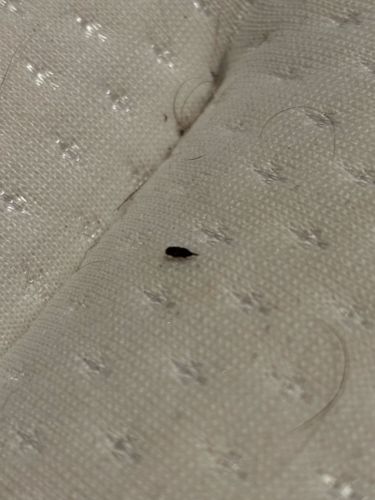
Cat Flea
Ctenocephalides felis
- Order & Family
- Order: Siphonaptera, Family: Pulicidae
- Size
- 1.5 mm to 3.3 mm in length
Natural Habitat
Commonly found in residential settings, specifically on pets, in carpets, bedding, and upholstered furniture.
Diet & Feeding
Adults are hematophagous, meaning they feed exclusively on the blood of mammals (primarily cats and dogs, though they will bite humans). Larvae consume organic debris and adult flea feces.
Behavior Patterns
Fleas are wingless jumpers capable of leaping long distances to reach a host. They undergo complete metamorphosis (egg, larva, pupa, adult) and can remain dormant in the pupal stage for several months until a host is detected.
Risks & Benefits
They are significant pests that cause irritation, allergic dermatitis, and can transmit pathogens like Bartonella henselae (cat scratch fever) and the double-pored dog tapeworm. They offer no significant ecological benefits in human environments.