
Community identification
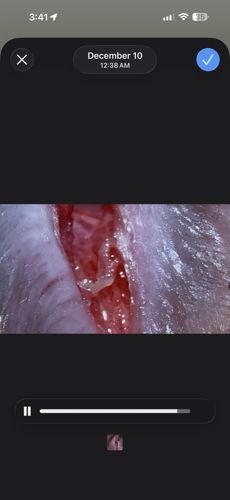
Fly Larva (Maggot) / Potential Screwworm
Diptera (Larval form)
- Order & Family
- Order: Diptera; Family: Calliphoridae or Muscidae
- Size
- 2mm to 20mm depending on species and growth stage.
Natural Habitat
Inhabits decaying organic matter, necrotic tissue, or open wounds on living hosts.
Diet & Feeding
Consumes necrotic (dead) tissue, exudates, or in the case of primary screwworms, healthy living tissue.
Behavior Patterns
Larvae hatch from eggs laid near or in a wound; they use mouth hooks to feed and burrow into the tissue to grow before pupating.
Risks & Benefits
Risks: Can cause myiasis, tissue destruction, secondary infection, and extreme pain or death in the host. Benefits: Some specific sterilized species are used in 'maggot debridement therapy' to clean necrotic wounds.