
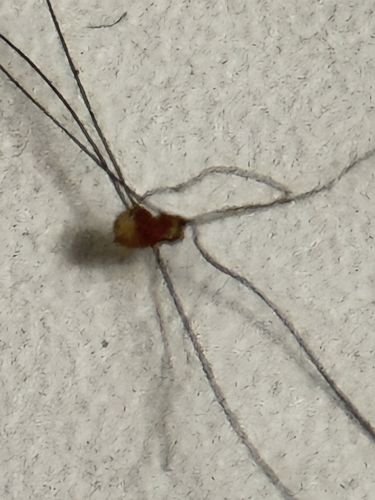
Community identification
Pubic louse (or Crab louse)
Pthirus pubis
- Order & Family
- Order: Psocodea; Family: Pthiridae
- Size
- 1.1 mm to 1.8 mm (about the size of a pinhead)
Natural Habitat
Found primarily in human pubic hair, but can also inhabit other coarse body hair such as eyelashes, eyebrows, chest hair, and armpits.
Diet & Feeding
Obligate hematophage: feeds exclusively on human blood several times a day.
Behavior Patterns
They are slow-moving and use specialized 'crab-like' claws to grasp coarse hair. They go through three stages: nit (egg), nymph, and adult. They cannot jump or fly and usually require direct body contact for transmission.
Risks & Benefits
Risks include intense itching (pruritus due to an allergic reaction to saliva) and secondary skin infections from scratching. They are not known to transmit systemic diseases but are considered a common sexually transmitted infestation (STI).