
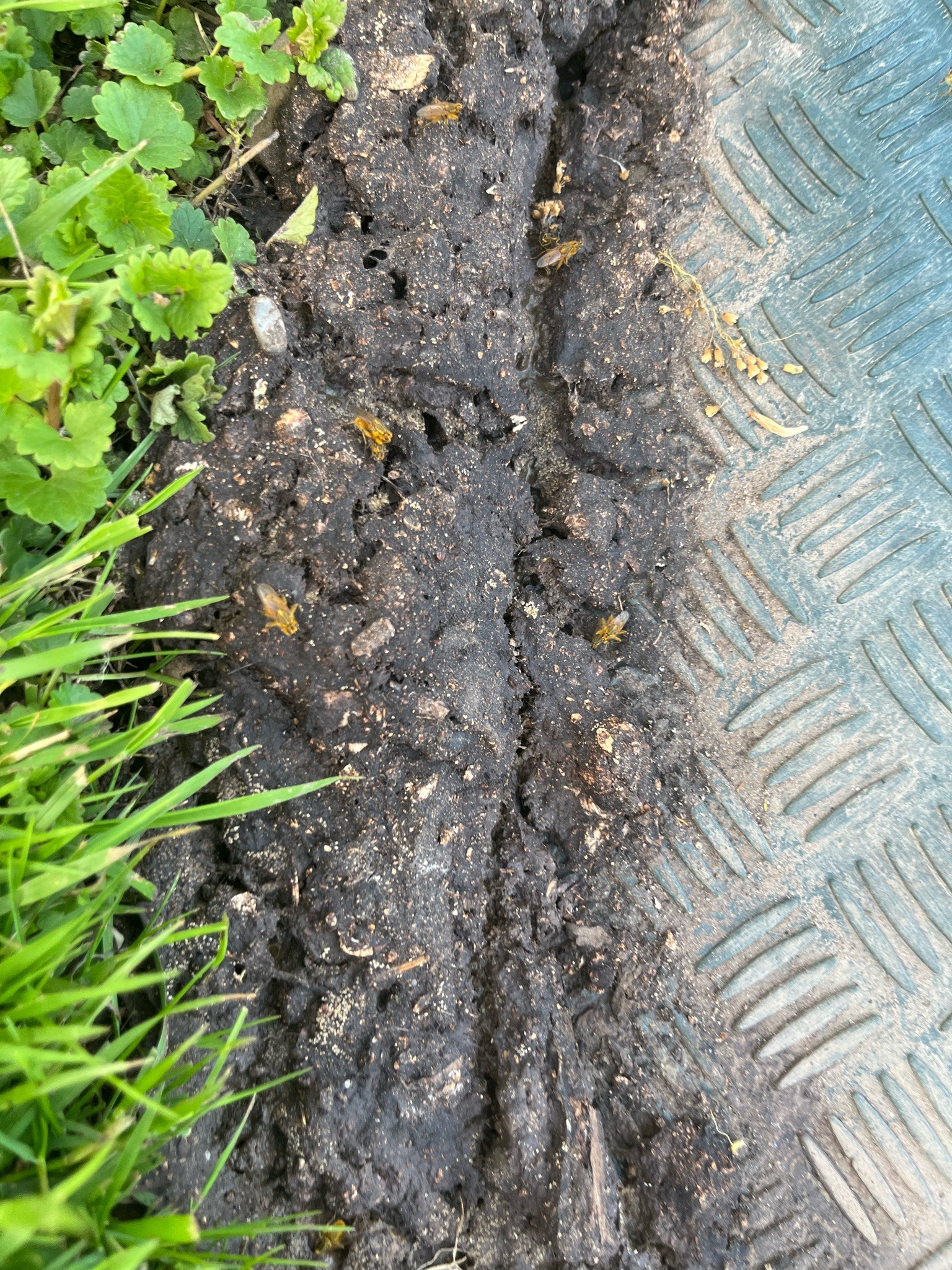
Community identification
Yellow Dung Fly
Scathophaga stercoraria
- Order & Family
- Diptera: Scathophagidae
- Size
- 5 to 12 mm (males are typically larger and more brightly colored than females)
Natural Habitat
Pastures, farms, and areas with grazing livestock; specifically seen on or near fresh animal dung.
Diet & Feeding
Adults are predators of other flies (like house flies and blow flies) and also feed on nectar. Larvae (maggots) live in and eat animal dung.
Behavior Patterns
Males congregate on fresh dung to wait for females. They are highly active predators. Females lay eggs in the dung, and the life cycle is closely tied to the availability of fresh manure.
Risks & Benefits
Benefits the ecosystem by helping decompose animal waste and controlling populations of pest flies. They do not bite humans and are generally considered beneficial insects.