
Community identification
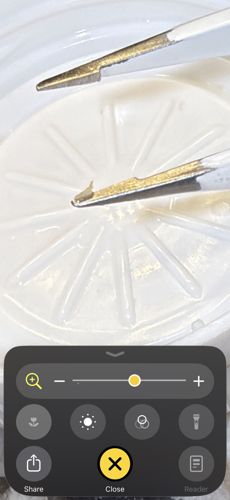
Fruit fly larva (maggot)
Drosophila melanogaster (typical)
- Order & Family
- Order Diptera, Family Drosophilidae
- Size
- 1 mm to 6 mm in length depending on the larval stage (instar).
Natural Habitat
Overripe, rotting, or fermenting fruits and vegetables; also found in drains, garbage disposals, and damp organic matter.
Diet & Feeding
Primarily feeds on yeast and bacteria associated with decaying organic matter and fermenting sugar-rich plant materials.
Behavior Patterns
Larvae hatch from eggs approximately 24-30 hours after being laid. They burrow into moist food sources to feed continuously for several days before crawling to a drier area to pupate.
Risks & Benefits
Generally considered a nuisance pest in homes. They do not bite or sting, but they can contaminate food with bacteria (like E. coli or Salmonella) they carry from waste materials. In science, they are highly beneficial as a primary model organism for genetic research.