Clover Mite
Scientific Name: Bryobia proetiosa
Order & Family: Trombidiformes; Tetranychidae
Size: Approximately 0.75 mm to 0.85 mm long (smaller than a pinhead)
Natural Habitat
Typically found outdoors in well-fertilized lawns and gardens, but often accidentally invade homes, particularly around windowsills and sunny sides of buildings during spring and fall.
Diet & Feeding
Herbivorous; they feed on the sap of a wide variety of plants, including clover, lawn grasses, and ornamental flowers.
Behavior Patterns
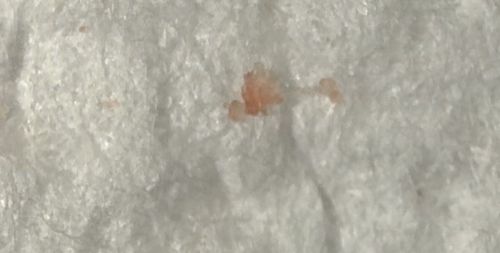
They are most active in cooler spring and autumn weather. They are parthenogenetic (females reproduce asexually without males). When crushed, they leave a distinctive red stain.
Risks & Benefits
Harmless to humans and pets (they do not bite or transmit disease). They can be a nuisance pest when entering homes in large numbers and can stain fabrics or walls red if squished.
Identified on: 2/21/2026