
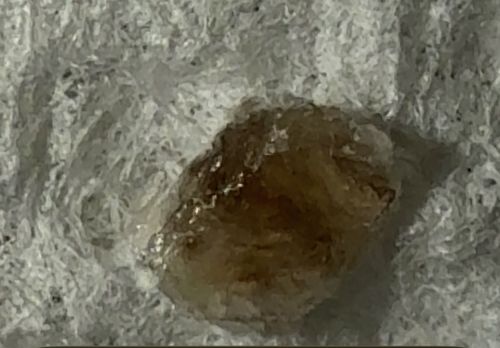
Spider Egg Sac
N/A (Reproductive structure of Araneae)
- Order & Family
- Order: Araneae; Family: Varies (Commonly found in Theridiidae, Araneidae, or Pholcidae)
- Size
- Varies significantly by species, generally ranging from 2 mm to 20 mm in diameter.
Natural Habitat
Found wherever spiders reside, including corners of rooms, basements, gardens, under leaves, in woodpiles, and attached to webs or varied surfaces depending on the species.
Diet & Feeding
N/A (The egg sac itself does not eat; it contains developing eggs that are sustained by yolk until hatching).
Behavior Patterns
The sac is spun by a female spider to protect her eggs from predators, parasites, and environmental fluctuations. Some mothers guard the sac, while others hide it or carry it with them until the spiderlings hatch.
Risks & Benefits
Risks: None directly to humans, though it indicates a spider population is reproducing nearby. If the species is venomous (like a Black Widow), the sac should be avoided. Benefits: Spiders are beneficial predators that control pest insect populations.