
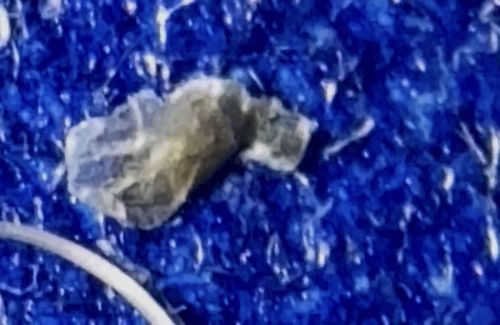
Household Casebearer or Plaster Bagworm
Phereoeca uterella
- Order & Family
- Order: Lepidoptera, Family: Tineidae
- Size
- Larval case is typically 8-13 mm (0.3-0.5 inches) in length.
Natural Habitat
Typically found indoors in dry, dusty areas such as corners of walls, under furniture, in closets, and garages. They thrive in climates with high humidity.
Diet & Feeding
Feeds on old spider webs, wool, hair, lint, dead insects, and dried animal remains. They are detritivores.
Behavior Patterns
The larva constructs a silken case, which it covers with sand, dust, and debris for camouflage. It drags this protective 'house' along with it as it moves. The case is slit at both ends, allowing the larva to turn around inside and emerge from either end.
Risks & Benefits
Generally harmless to humans and pets (no biting or stinging). They are considered minor household pests because they can eat natural fibers like wool and silk, potentially damaging clothing or rugs, though they primarily feed on spider webs and general house dust.