
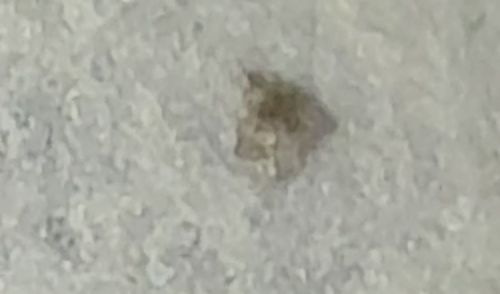
Plaster Bagworm (or Household Casebearer)
Phereoeca uterella
- Order & Family
- Order: Lepidoptera, Family: Tineidae (Clothes Moths)
- Size
- Larval case is typically about 8-13 mm (0.3-0.5 inches) in length.
Natural Habitat
Commonly found inside homes in humid climates, often on walls, baseboards, or under spiderwebs. They are prevalent in places like Florida and other tropical/subtropical regions.
Diet & Feeding
They feed on keratin and detritus, including spider webs, old insect skins, wool, human hair, pet fur, and sometimes natural fibers in carpets or clothing.
Behavior Patterns
The larva creates a protective case out of silk and debris (sand, dust, lint) which is shaped like a flattened pumpkin seed or diamond. It drags this case around as it moves. When threatened, the larva retreats inside both ends of the case.
Risks & Benefits
Generally harmless to humans (they do not bite or sting). However, they can be a minor pest if they feed on wool clothing or rugs. They are often considered a nuisance due to their unsightly cases on walls.