
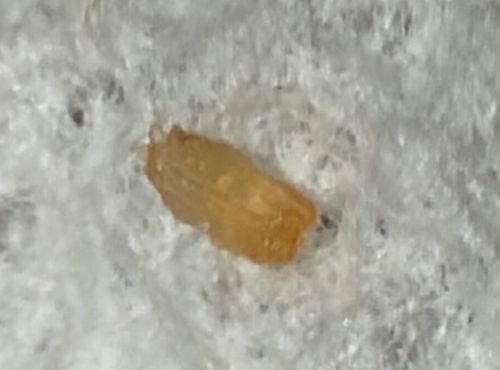
Pharaoh Ant (likely) or Thief Ant
Monomorium pharaonis (Pharaoh Ant) or Solenopsis molesta (Thief Ant)
- Order & Family
- Order: Hymenoptera, Family: Formicidae
- Size
- 1.5 mm to 2 mm (very small)
Natural Habitat
In temperate climates, they are predominantly indoor pests found in heated buildings, hospitals, and homes. They nest in hard-to-reach voids like walls, under floors, and behind baseboards.
Diet & Feeding
Omnivorous; attracted to sweets, honey, cakes, and breads, but also fatty foods, meats, and dead insects. Pharaoh ants have high protein requirements compared to other ants.
Behavior Patterns
They are known for forming large, diffuse colonies with multiple queens (polygyny). When a colony is stressed (e.g., by repellent pesticides), they tend to 'bud' or split into smaller satellite colonies, making extermination difficult.
Risks & Benefits
Risks: They are a major nuisance pest and difficult to control. In hospitals, they can spread pathogens like Salmonella and Streptococcus by entering sterile equipment and wounds. Benefits: Minimal ecological benefit in indoor environments; outdoors they act as scavengers.