
Community identification
Household Casebearer or Plaster Bagworm
Phereoeca uterella
- Order & Family
- Order: Lepidoptera, Family: Tineidae
- Size
- Larval case is typically about 8-13 mm long (approx. 0.5 inches).
Natural Habitat
Typically found indoors in humid climates, often seen on walls, ceilings, baseboards, and in closets. They prefer areas with spiderwebs or accumulated dust.
Diet & Feeding
The larvae feed on silk (from spider webs), wool fibers, pet hair, lint, and sometimes dead insect parts.
Behavior Patterns
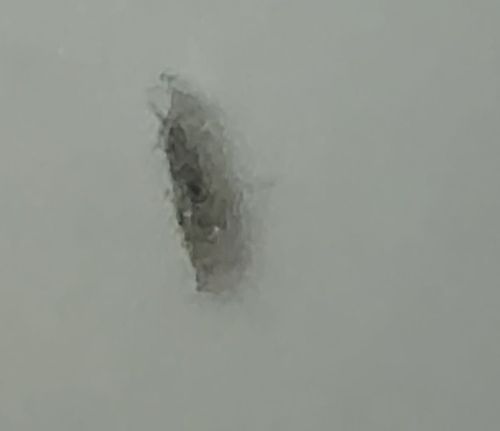
The larva constructs a flattened, pumpkin-seed-shaped protective case out of silk and dust/debris, which it drags around. It can emerge from either end of the case to feed or move. They ultimately pupate inside this case.
Risks & Benefits
Generally considered a minor household pest. They do not bite or sting humans. While they can feed on woolen fabrics (similar to clothes moths), they are often just a nuisance rather than causing major structural damage.