
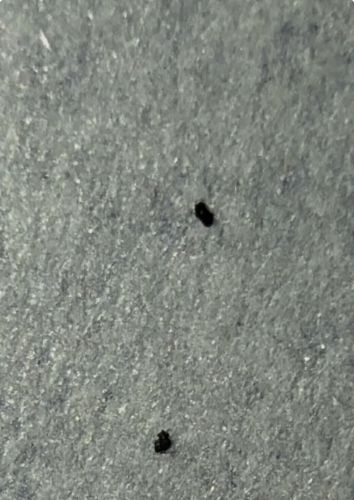
Bird Mite or Rodent Mite
Ornithonyssus spp. (e.g., Ornithonyssus sylviarum or Ornithonyssus bacoti)
- Order & Family
- Order: Mesostigmata; Family: Macronyssidae
- Size
- Very small, less than 1 mm (typically 0.7–1 mm); visible to the naked eye as tiny, moving dark specks.
Natural Habitat
Typically found in bird nests (sparrows, starlings, pigeons) or rodent burrows near human dwellings; they migrate into homes when their primary hosts leave or die, often entering through windows, vents, or cracks.
Diet & Feeding
Hematophagous (blood-feeding); they primarily feed on the blood of birds or rodents but will bite humans when searching for a host, although they cannot reproduce on human blood.
Behavior Patterns
They are active wanderers that crawl rapidly in search of hosts; often seen crawling on walls, ceilings, and bedding. Their activity often spikes after young birds fledge and leave the nest.
Risks & Benefits
Risks: Their bites cause intense itching, irritation, and rashes (dermatitis) in humans; biting sensation is often described as a 'crawling' feeling. They are nuisances but do not typically transmit diseases to humans. Benefits: None in a domestic setting; they are parasitic pests.