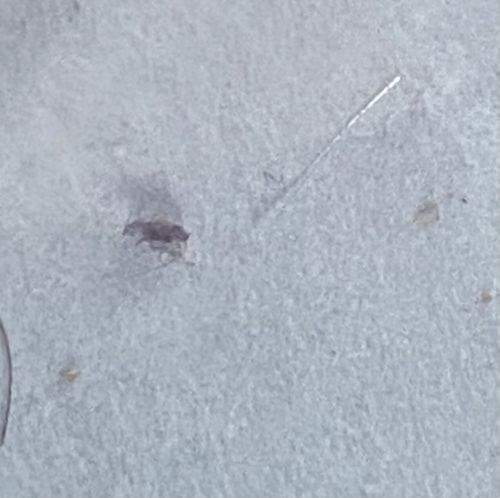
Springtail
Scientific Name: Collembola
Order & Family: Order: Entomobryomorpha, Poduromorpha, or Neelipleona (Family varies by specific type)
Size: 1 to 6 millimeters (0.04 to 0.24 inches)
Natural Habitat
Damp environments, including soil, leaf litter, decaying wood, and under kitchen/bathroom sinks.
Diet & Feeding
Mainly detritivores; they consume decaying plant matter, fungi, algae, mold, and bacteria.
Behavior Patterns
Known for a specialized jumping appendage called a furcula that allows them to leap long distances when threatened. They are nocturnal and thrive in high-moisture areas.
Risks & Benefits
Benefits: Crucial for ecosystems as they assist in the decomposition process and nutrient cycling. Risks: Harmless to humans, pets, and structures; they do not bite or sting but can be a nuisance in large numbers indoors.
Identified on: 3/9/2026