
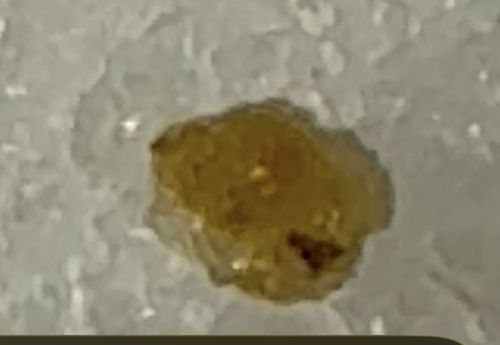
Household Casebearer (often specifically the Plaster Bagworm)
Phereoeca uterella (formerly Phereoeca dubitatrix for Plaster Bagworm) or Tinea pellionella (Case-bearing Clothes Moth)
- Order & Family
- Order: Lepidoptera, Family: Tineidae
- Size
- Larval case is typically 8-13 mm (approx. 0.3 - 0.5 inches) in length.
Natural Habitat
Typically found indoors in humid environments like bathrooms, closets, underneath furniture, and in garages. They thrive in climates like Florida and tropical regions but are found worldwide indoors.
Diet & Feeding
The larvae feed on keratin and detritus, including spider webs, old insect skins, wool carpets, pet hair, lint, and sometimes dried food products.
Behavior Patterns
The larva constructs a flattened, pumpkin-seed-shaped case out of silk and debris (sand, soil, fibers) which it carries around for protection. It pulls itself along surfaces with its front legs, often climbing walls or hanging from ceilings before pupating.
Risks & Benefits
Risks: Generally considered a nuisance pest rather than dangerous. They do not bite or sting humans, but they can damage wool, silk, and other natural fibers in large numbers. Benefits: They clean up minor organic debris like spider webs and dead insects.