Mold Mite
Scientific Name: Tyrophagus putrescentiae
Order & Family: Sarcoptiformes / Acaridae
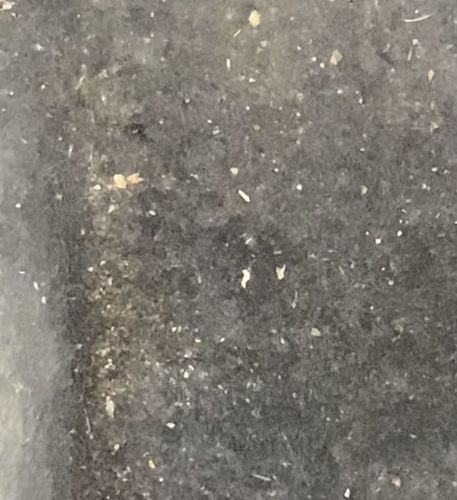
Size: 0.3–0.45 mm (extremely small, often appearing as moving dust)
Natural Habitat
High humidity environments with mold growth, stored food products, damp carpets, and bathrooms.
Diet & Feeding
Mainly fungal spores and mycelium (mold), but also high-protein/fat stored foods like cereals, cheese, and seeds.
Behavior Patterns
They congregate in large numbers on surfaces where mold is present. They have a very rapid life cycle (2-3 weeks) and can survive unfavorable conditions by entering a dormant stage.
Risks & Benefits
They do not bite humans or pets, but they can cause allergic reactions (dermatitis or asthma) in sensitive individuals. They are considered a nuisance pest and an indicator of high humidity and mold issues.
Identified on: 1/5/2026