
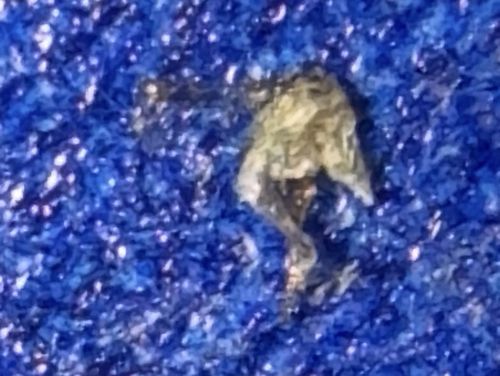
Masked Hunter Nymph (Camouflage Bug)
Reduvius personatus
- Order & Family
- Order: Hemiptera, Family: Reduviidae (Assassin Bugs)
- Size
- Nymphs vary based on instar stage but typically range from 4-15 mm (approx. 0.16 to 0.6 inches). Adults reach 17-22 mm.
Natural Habitat
Often found indoors in dusty corners, attics, and basements where they hunt other household pests; outdoors they live in wooded areas or under loose bark.
Diet & Feeding
They are generalist predators that feed on bed bugs, earwigs, silverfish, sowbugs, termites, carpet beetles, and other small arthropods.
Behavior Patterns
Nymphs have sticky hairs on their bodies that collect dust, lint, and sand, creating a highly effective camouflage 'mask' that hides them from both prey and predators. They are ambush predators that move slowly until they strike.
Risks & Benefits
Benefit: They are beneficial natural pest control agents that eat harmful insects like bed bugs. Risk: They can inflict a very painful (though medically insignificant) bite if handled or threatened, often compared to a bee sting.