Body Louse
Scientific Name: Pediculus humanus humanus
Order & Family: Order: Phthiraptera, Family: Pediculidae
Size: 2.3 to 3.6 mm
Natural Habitat
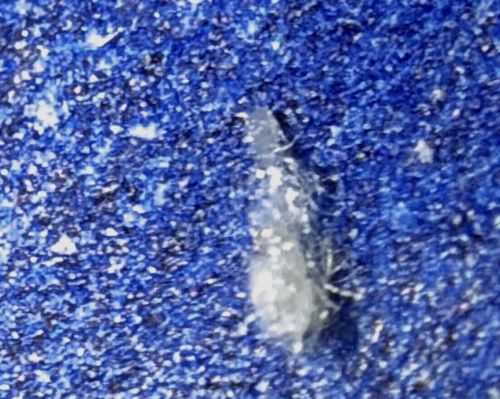
They live in clothing and bedding used by infested humans, typically laying eggs along the seams of fabric. They only move to the skin to feed.
Diet & Feeding
Strictly hematophagous (blood-sucking), feeding exclusively on human blood several times a day.
Behavior Patterns
Unlike head lice, body lice do not live on the human host directly but cling to fibers in clothing. They are most active at night or when the host is resting. They spread through direct contact with infested people or contaminated clothing/bedding.
Risks & Benefits
Risks: They cause intense itching (pruritus) and skin rashes. More dangerously, they are vectors for serious diseases like typhus, trench fever, and relapsing fever. Benefits: None known to humans or the ecosystem.
Identified on: 3/4/2026