
Community identification
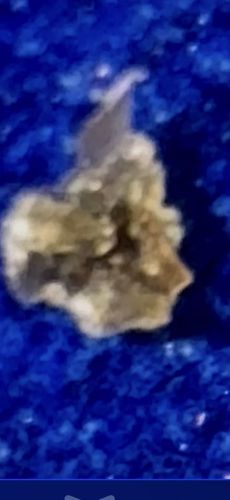
Masked Hunter Nymph (often mistaken for 'dust bunnies' or debris beetles)
Reduvius personatus
- Order & Family
- Order: Hemiptera (True Bugs), Family: Reduviidae (Assassin Bugs)
- Size
- 10-20 mm (0.4-0.8 inches) when full grown (excluding camouflage layer)
Natural Habitat
Found in homes, attics, sheds, and dusty corners where small insects and spiders hide. Originally from Europe but now widespread in North America.
Diet & Feeding
Carnivorous predator; feeds on small arthropods like bed bugs, silverfish, carpet beetles, and earwigs.
Behavior Patterns
The nymph (juvenile stage) has a sticky body that naturally accumulates dust, lint, sawdust, and sand, acting as camouflage to ambush prey. They are nocturnal hunters.
Risks & Benefits
Benefits: Generally considered beneficial as they eat household pests like bed bugs and silverfish. Risks: If handled or threatened, they can deliver a painful bite comparable to a bee sting, though they do not seek out humans to bite and do not transmit disease.