Human Itch Mite
Scientific Name: Sarcoptes scabiei var. hominis
Order & Family: Order: Sarcoptiformes; Family: Sarcoptidae
Size: 0.3–0.45 mm (females), 0.2–0.25 mm (males); generally too small to see clearly without magnification.
Natural Habitat
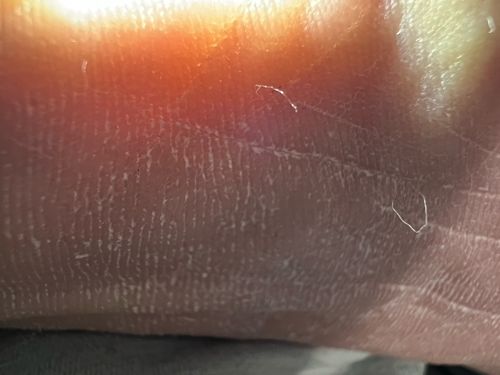
The epidermis of human skin; they prefer areas with thin skin or folds such as webspaces between fingers, wrists, elbows, and feet.
Diet & Feeding
The mites feed on human skin cells and extracellular fluid by secreting enzymes that dissolve the skin tissue.
Behavior Patterns
The female mite burrows into the upper layer of the skin (stratum corneum) to lay eggs. They are highly contagious and spread through direct, prolonged skin-to-skin contact.
Risks & Benefits
Risks: Causes scabies, characterized by intense itching (often worse at night) and a pimple-like rash. Secondary bacterial infections (like impetigo) can occur from scratching. No known benefits.
Identified on: 3/28/2026