
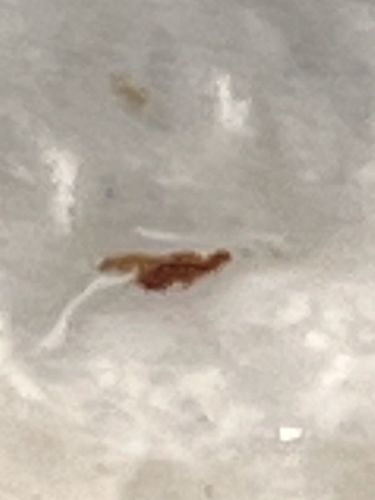
Community identification
Dog Flea / Cat Flea (General Flea)
Ctenocephalides canis / Ctenocephalides felis
- Order & Family
- Order: Siphonaptera; Family: Pulicidae
- Size
- 1.5 mm to 3 mm in length
Natural Habitat
Found worldwide, primarily in the bedding, fur, and environments of domestic pets and wild mammals.
Diet & Feeding
Hematophagous (blood-feeders); adults feed on the blood of hosts, while larvae consume organic debris and flea droppings (flea dirt).
Behavior Patterns
Flightless but excellent jumpers; they use powerful back legs to leap onto hosts. They undergo complete metamorphosis (egg, larva, pupa, adult) and can remain dormant in the pupal stage for several months.
Risks & Benefits
Risks include skin irritation (allergic dermatitis), transmission of tapeworms, and potential vectoring of diseases like murine typhus. They provide no significant benefits to the ecosystem or humans.