
Community identification
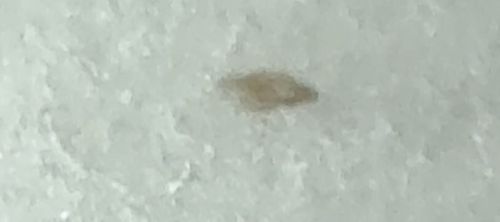
Plaster Bagworm (larval case)
Phereoeca uterella
- Order & Family
- Lepidoptera (Order) / Tineidae (Family)
- Size
- Larval case is typically 6 to 13 mm (0.25 to 0.5 inches) in length.
Natural Habitat
Commonly found indoors on walls, especially in humid climates like Florida and the Caribbean. They prefer dusty corners, baseboards, and garages.
Diet & Feeding
Detritivores that feed on spider webs, hair, dead insects, wool, and natural fibers.
Behavior Patterns
The larva constructs a flat, spindle-shaped case (resembling a pumpkin seed) made of silk and debris (sand, soil, frass) in which it lives. It drags this case around as it moves. Before pupating, they often climb high up walls, which is when they are most frequently spotted.
Risks & Benefits
Generally considered a nuisance pest rather than a major threat. They do not bite or sting humans. However, since they feed on natural fibers, large infestations can potentially damage wool clothing or rugs.