Bed Bug
Scientific Name: Cimex lectularius
Order & Family: Hemiptera: Cimicidae
Size: 4 mm to 7 mm in length (about the size of an apple seed)
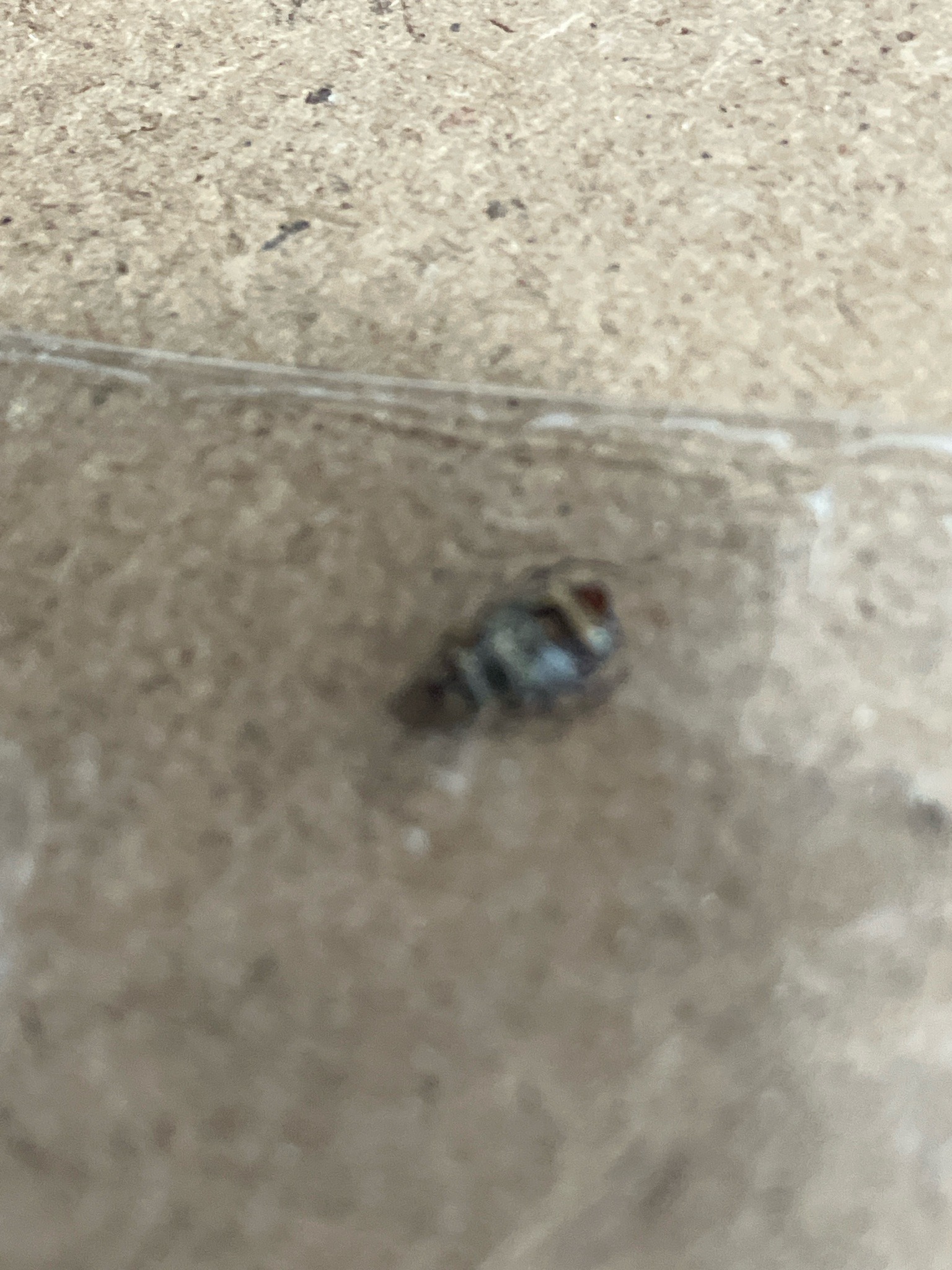
Natural Habitat
Found inside residential dwellings including homes, apartments, hotels, and dormitories, specifically in areas where people sleep or sit for long periods. They typically hide in cracks, crevices, mattress seams, and bed frames.
Diet & Feeding
Obligate hematophages, meaning they feed primarily on human blood, but will also feed on other warm-blooded animals if humans are unavailable.
Behavior Patterns
They are primarily nocturnal and emerge from hiding spots at night to feed. They undergo incomplete metamorphosis (egg, nymph, adult). After feeding, they retreat back to hiding spots to digest and reproduce. They do not fly or jump but crawl quickly.
Risks & Benefits
They are considered a significant public health pest. While not known to transmit diseases, their bites can cause allergic reactions, skin rashes, and psychological distress. Infestations lead to severe economic loss and emotional anxiety; they offer no known benefit to the human ecosystem.
Identified on: 6/14/2026