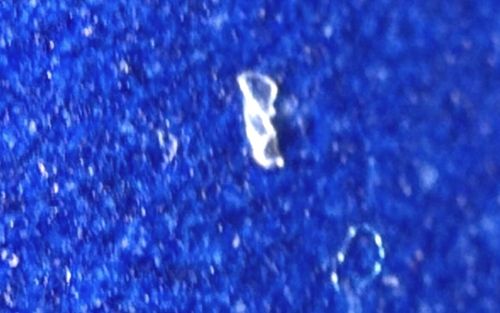
Springtail
Scientific Name: Collembola (Class)
Order & Family: Order: Entomobryomorpha (most likely) / Family: Isotomidae or Entomobryidae
Size: Typically 0.2 mm to 6 mm, often barely visible to the naked eye.
Natural Habitat
Predominantly damp environments such as leaf litter, moist soil, decaying wood, moss, flower pots, and occasionally indoors in bathrooms or basements.
Diet & Feeding
Detritivores and fungivores; they primarily feed on decaying organic matter, bacteria, pollen, algae, and fungal hyphae.
Behavior Patterns
Notable for their unique jumping mechanism using a forked tail-like structure called a furcula (though some species lack this). They tend to aggregate in large numbers in moist areas and play a crucial role in soil health.
Risks & Benefits
Risks: None to humans or pets; they do not bite or sting. They can be a nuisance in large numbers indoors but do not damage structures. Benefits: Essential decomposers that help recycle nutrients in the soil and are indicative of healthy soil ecosystems.
Identified on: 2/25/2026