Tunga Penetrans (Jigger or Chigoe Flea)
Scientific Name: Tunga penetrans
Order & Family: Siphonaptera (Fleas) / Tungidae
Size: Approximately 1 mm (unnorged male/female); females swell up to 1 cm (pea-sized) when embedded and gravid.
Natural Habitat
Tropical and subtropical regions, particularly Central and South America, sub-Saharan Africa, and the Caribbean. They thrive in warm, sandy soils and dust.
Diet & Feeding
Adults feed on the blood of mammals (including humans, pigs, dogs, and cattle). The larvae feed on organic debris in the soil.
Behavior Patterns
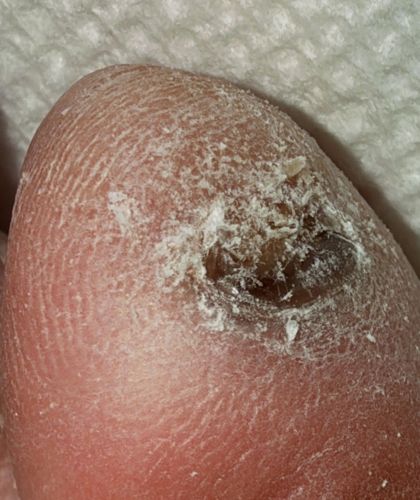
Unlike most fleas that bite and leave, the fertilized female Tungal penetrans burrows head-first into the host's skin (usually on the feet or under toenails). She remains embedded, feeding on blood and swelling with eggs (hypertrophy), eventually expelling eggs back into the environment before dying.
Risks & Benefits
RISKS: Causes Tungiasis, a parasitic skin disease. The burrowing causes intense itching, pain, and inflammation. If untreated, it poses high risks of secondary bacterial infections (gangrene, tetanus, lymphangitis), tissue necrosis, and loss of digits. BENEFITS: No known ecosystem benefits significant to humans; considered a parasitic pest.
Identified on: 2/9/2026