
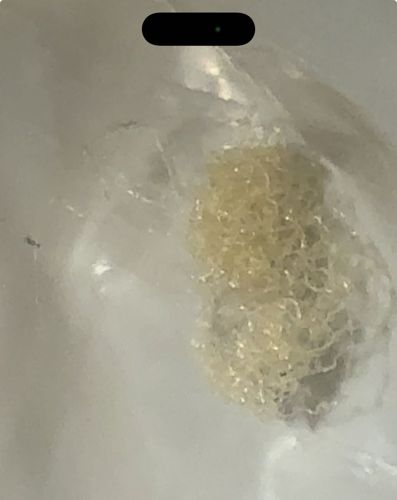
Spider Egg Sac
Araneae (Order level)
- Order & Family
- Order: Araneae; Family: Varies (commonly associated with House Spiders like Parasteatoda tepidariorum or Cellar Spiders)
- Size
- Typically 6–10 mm diameter for the sac itself (size varies significantly by species).
Natural Habitat
Found worldwide in varied environments; commonly located indoors in corners of ceilings, attics, basements, undisturbed closets, and garages.
Diet & Feeding
The sac itself is inanimate protection; the spiderlings inside will eventually emerge and consume small insects (flies, mosquitoes, ants) or sometimes cannibalize siblings.
Behavior Patterns
Female spiders spin a silk protective covering around a clutch of eggs. Some species carry the sac (like Wolf Spiders), while others (like the one likely pictured) suspend it in a web. After a few weeks, hundreds of tiny spiderlings hatch and disperse.
Risks & Benefits
Generally harmless. Benefits: Spiders are crucial pest controllers that eat nuisance insects. Risks: While most house spiders are non-venomous to humans, seeing many sacs may indicate a large spider population. The spiderlings are rarely dangerous.