Body Louse (and associated eggs/nits)
Scientific Name: Pediculus humanus humanus
Order & Family: Order: Psocodea (formerly Phthiraptera); Family: Pediculidae
Size: 2.1 mm to 3.6 mm (adults); eggs/nits are approximately 0.8 mm
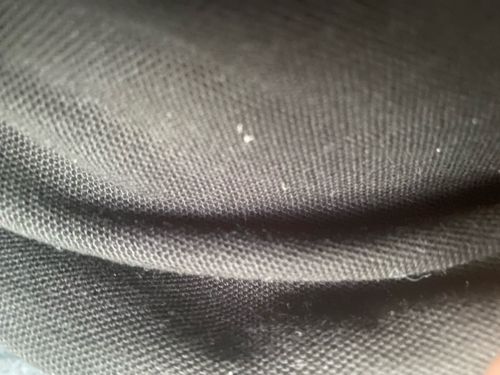
Natural Habitat
The seams and folds of clothing worn close to the human body for extended periods; they only move to the skin to feed.
Diet & Feeding
Obligate hematophagy; they feed exclusively on human blood several times a day.
Behavior Patterns
They lay their eggs (nits) in the seams of clothing and move to the host's skin when the body is at rest or still. They are sensitive to high temperatures and cannot survive more than a few days away from a human host.
Risks & Benefits
Risks: They cause intense itching and rashes. Uniquely among lice, they are vectors for serious diseases including epidemic typhus, trench fever, and louse-borne relapsing fever. There are no ecological benefits to humans.
Identified on: 1/8/2026