
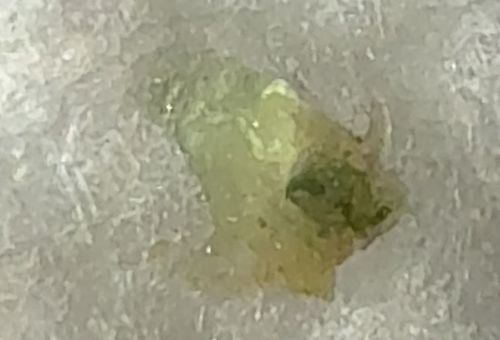
Community identification
Aphid
Aphidoidea (Superfamily)
- Order & Family
- Order: Hemiptera, Family: Aphididae
- Size
- Typically 1 to 3 millimeters (very small)
Natural Habitat
Found worldwide in temperate zones on the stems, leaves, shoots, and buds of a vast variety of garden plants, trees, and crops.
Diet & Feeding
Plant sap (phloem). They use piercing-sucking mouthparts to extract sugary liquids from soft plant tissues.
Behavior Patterns
They often cluster in large colonies on new plant growth or the undersides of leaves. They reproduce extremely rapidly, often without mating (parthenogenesis), and expel a sticky substance called honeydew.
Risks & Benefits
Risks: Major agricultural and garden pest that weakens plants, causes leaf curling, and transmits plant viruses. Benefits: They serve as a critical food source for predators like ladybugs, lacewings, and parasitic wasps.