
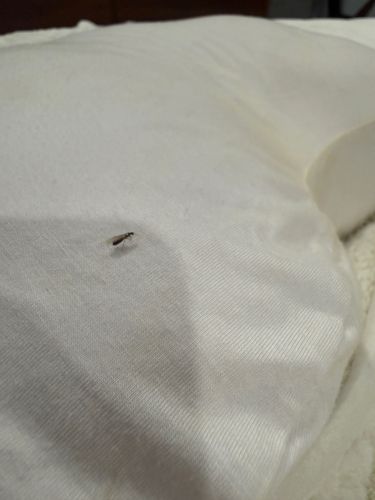
Winged Ant (Alate)
Formicidae (genus/species varies)
- Order & Family
- Hymenoptera: Formicidae
- Size
- 3mm to 15mm depending on species
Natural Habitat
Found worldwide, typically emerging from existing underground or wood-nesting colonies; often seen indoors near windows or light sources during swarming events.
Diet & Feeding
Adult alates generally do not eat much, focusing on mating, but the species may typically feed on honeydew, nectar, or other insects.
Behavior Patterns
Alates are the reproductive members of an ant colony. They take flight in large numbers (nuptial flights) to mate and establish new colonies. After mating, males die and females shed their wings to become queens.
Risks & Benefits
Generally harmless to humans but can be a nuisance indoors. Their presence may indicate a nearby colony in the structure; carpenter ant alates specifically can signal potential wood damage. Ecologically, they are vital for soil aeration and nutrient cycling.