
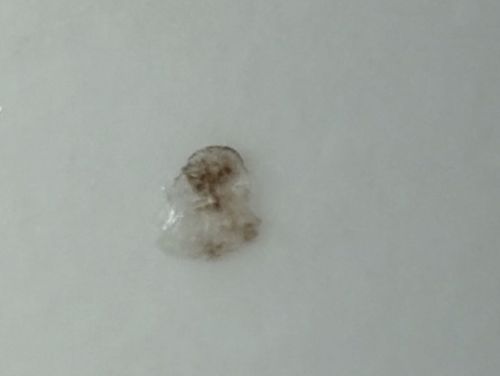
Lace Bug
Stephanitis spp. (or Corythucha spp.)
- Order & Family
- Hemiptera: Tingidae
- Size
- 3 mm to 6 mm in length
Natural Habitat
Typically found on the undersides of leaves of various deciduous trees and shrubs, including azaleas, rhododendrons, and sycamores.
Diet & Feeding
Herbivorous; they use piercing-sucking mouthparts to feed on the sap of plant leaves, causing stippling or bleaching.
Behavior Patterns
They are known for their distinctive lace-like wing covers. Nymphs often cluster together on the undersides of leaves, leaving behind dark spots of excrement (tar spots). They typically have several generations per year depending on the climate.
Risks & Benefits
They are primarily garden pests that can cause aesthetic damage to ornamental plants and weaken trees. They pose no direct risk to humans as they do not bite or transmit diseases to people, but heavy infestations can lead to premature leaf drop in plants.