
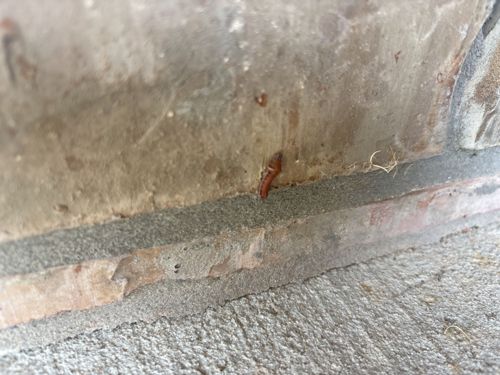
Crane Fly Larva (Leatherjacket)
Tipula species (Larva)
- Order & Family
- Order: Diptera, Family: Tipulidae
- Size
- Larvae can range from 1 to 4 cm (0.4 to 1.6 inches) in length. Adult crane flies vary widely in size, from small species that are only a few millimeters long to large species with leg spans of up to 10 cm (4 inches).
Natural Habitat
The larvae, known as leatherjackets, are found in moist soil, turf, lawns, pastures, and decaying organic matter. They prefer damp conditions. Adults are common in grassy areas, gardens, meadows, and near water sources.
Diet & Feeding
The larvae (leatherjackets) primarily feed on decaying organic matter, roots of plants, and sometimes germinating seeds, which can make them agricultural pests. Adult crane flies, if they feed at all, typically consume nectar or don't feed.
Behavior Patterns
Larvae develop in moist soil or decaying organic matter. They are known for their ability to tunnel through soil. Adult crane flies are generally short-lived and do not feed, or feed only on nectar. They are most active during dawn and dusk. The larva in the image appears to be a 'leatherjacket' due to its tough, leathery skin, and is likely feeding or burrowing in the damp area near the wall.
Risks & Benefits
Risks: Large populations of leatherjacket larvae can cause significant damage to lawns, turf, and agricultural crops by feeding on roots. Benefits: They contribute to the decomposition of organic matter in the soil, aiding in nutrient cycling. Adult crane flies are harmless to humans and do not bite or sting. They can serve as a food source for birds and other insectivores.