
Community identification
Pubic Louse (Crab Louse)
Pthirus pubis
- Order & Family
- Order: Psocodea (formerly Anoplura), Family: Pthiridae
- Size
- 1.1 mm to 1.8 mm (roughly the size of a pinhead)
Natural Habitat
The coarse hairs of the human body, most commonly found in the pubic region, but can also inhabit armpits, chest hair, beards, and eyelashes.
Diet & Feeding
Obligate hematophage (feeds exclusively on human blood several times a day).
Behavior Patterns
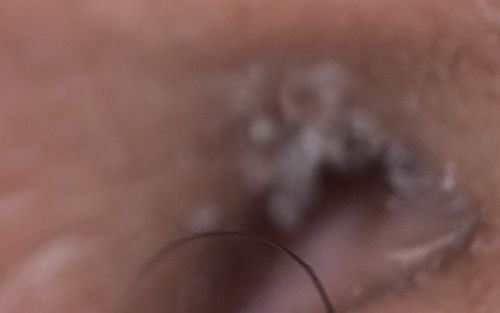
They are sedentary and move very little once attached to a hair. They hold onto hair shafts with large, crab-like claws. Females lay eggs (nits) on the hair shaft near the skin surface. They cannot jump or fly and require close physical contact to spread.
Risks & Benefits
Risks include intense itching (pruritus) due to an allergic reaction to their saliva, secondary skin infections from scratching, and bluish spots on the skin known as maculae caeruleae. There are no known ecological benefits.